
Introduction
When it comes to protecting your home, garden, or commercial property, a reliable gate lock is your first line of defence. Whether you are securing a wooden garden gate, a metal driveway entrance, or an industrial access point, the right lock can make an enormous difference to your safety and peace of mind. In this comprehensive guide, we walk you through everything — from understanding how different types of gate lock systems work to choosing the best one for your specific needs.
Why Gate Lock Matters for Home Security
Many homeowners invest heavily in quality door locks and alarm systems but overlook the importance of a sturdy gate lock. However, your gate is often the very first barrier between the outside world and your home. A weak or outdated lock can be bypassed in seconds, giving intruders direct access to your front door, garage, or garden.
Statistics from security bodies across the UK show that a large proportion of break-ins occur through poorly secured entry points — and garden gates are frequently exploited. Installing a robust lock is one of the most cost-effective security upgrades you can make. For professional advice on the best locking solutions for your property, visit Locksmith 4 City, a trusted local locksmith service committed to helping homeowners stay safe.
Types of Gate Lock
Not all lock systems are created equal. The type you choose should depend on the gate material, how frequently it is used, and the level of security you require. Below, we break down the most popular options.
1. Padlocks and Hasp Locks
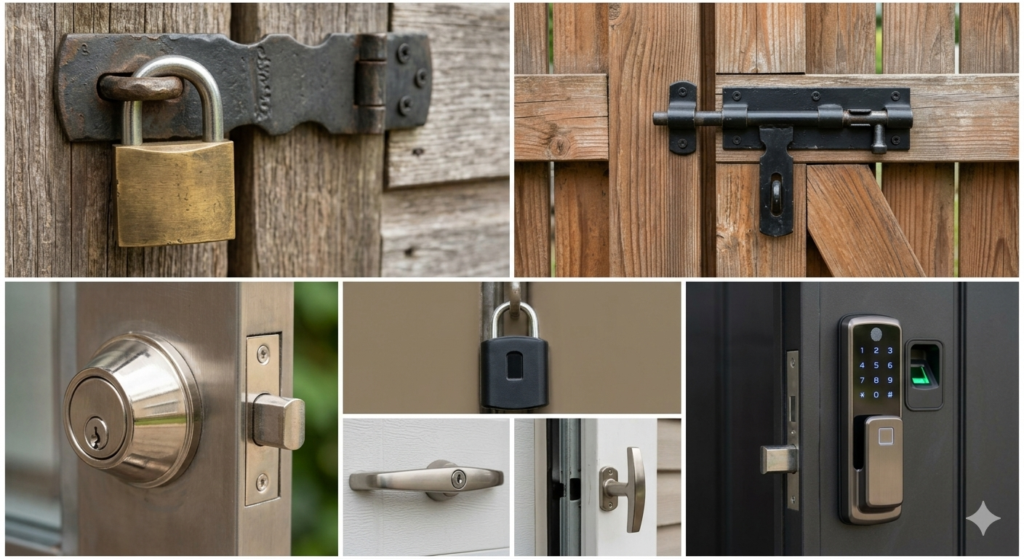
One of the simplest forms of gate lock is the padlock combined with a hasp and staple. This setup works similarly to a standard door lock with key — you insert a key to open the shackle and secure the gate. Padlocks are popular for rear garden gates and allotment entrances due to their affordability and ease of installation. However, they can be vulnerable to bolt cutters if the shackle is not hardened steel.
2. Latch and Bolt Locks
A latch-bolt lock operates using a spring-loaded mechanism that automatically latches the gate shut when it closes — much like many door lock mechanism systems used in residential properties. Many latch-bolt designs also include a keyed cylinder, so the gate can only be opened from the outside with a key. This makes them ideal for front door lock-style security at the entrance to your property.
3. Deadbolt Locks
For maximum strength, a deadbolt gate lock is hard to beat. Similar in design to the deadbolts used on internal and external door locks, these require a full 360-degree turn of the key to throw the bolt. They resist forceful entry far more effectively than spring-latch models and are commonly recommended by professional locksmiths for vulnerable access points. You can explore a full range of high-security locking options through Locksmith 4 City’s locksmith services.
4. Smart Lock Systems
Technology has transformed home security, and the modern smart door lock has now evolved to include dedicated gate lock solutions. Smart gate lock devices can be operated via smartphone apps, keypads, or biometric fingerprint scanners. They allow you to grant temporary access to visitors, monitor entry logs, and receive real-time alerts — all without needing a physical key. For homeowners looking to integrate gate access with their broader smart home ecosystem, a smart gate lock is an excellent choice.
5. Garage Locks
If your garage opens onto a driveway or lane, securing it with a proper garage door lock is essential. Many garages use roller shutters or up-and-over doors, and these require specialist gate lock or garage bolt mechanisms. A dedicated garage door lock prevents the door from being manually lifted or forced open, adding a vital extra layer of protection to your vehicle and stored belongings.
Gate Lock Mechanisms
Behind every reliable gate lock is a carefully engineered door lock mechanism — a series of internal components that control whether the bolt or latch engages. Understanding how these work can help you make better buying decisions and maintain your gate lock more effectively.
The most common internal component in a keyed gate lock is the pin tumbler cylinder. When the correct key is inserted, the pins align along the shear line, allowing the cylinder to rotate and throw the bolt. Premium gate lock models use anti-pick, anti-drill, and anti-bump cylinders to resist manipulation — features you would also find in high-security and door locks for residential properties.
Lever-operated mechanisms are another popular design, where a lever handle depresses a latch bolt for entry and the lock cylinder controls the deadbolt separately. This dual-action approach is widely used in front door lock applications and is equally effective as a gate lock for pedestrian gates.
For guidance on which mechanism suits your specific gate and security requirements, the Master Locksmiths Association provides expert industry resources and a directory of qualified professionals across the UK.
How to Choose the Right Lock
Choosing the right gate lock can feel overwhelming given the sheer variety of products available. Keep the following factors in mind to narrow down your options:
- Security Rating: Look for a gate lock that carries a recognised security rating such as BS EN 12209 or Sold Secure certification. These indicate the lock has been independently tested and meets established resistance standards.
- Weather Resistance: Unlike indoor door locks, a gate lock is exposed to the elements year-round. Choose a model with a rust-resistant stainless steel or marine-grade zinc alloy finish.
- Gate Thickness and Material: Always check compatibility. Some gate lock products are designed specifically for timber, metal, or composite materials.
- Key Management: If multiple family members need access, consider a door lock with key system that supports key duplication, or upgrade to a smart gate lock with multiple access credentials.
- Ease of Installation: Some gate locks can be fitted as a DIY project; others — particularly integrated smart systems — benefit from professional installation to ensure correct alignment and function.
DIY vs Professional Lock Installation
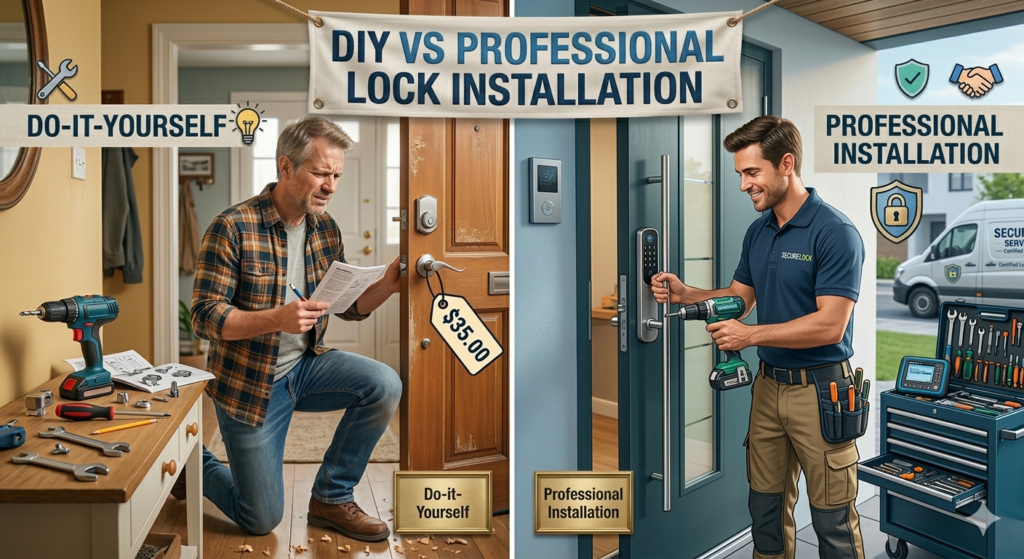
Installing a basic padlock-and-hasp gate lock is well within the capabilities of most homeowners. However, fitting a complex deadbolt or smart gate lock system often requires accurate measurement, drilling, and alignment — mistakes that can compromise the lock’s effectiveness entirely.
A poorly fitted gate lock can actually be more dangerous than no lock at all, as it creates a false sense of security. Professional locksmiths have the tools and expertise to ensure your gate lock is installed correctly the first time. If you need a skilled locksmith in your area, get in touch with Locksmith 4 City for a prompt, reliable service.
Maintaining Your Lock
Even the most robust gate lock will degrade over time without regular maintenance. Exposure to rain, frost, and UV light can corrode metal components and cause the internal door lock mechanism to stiffen or seize. Follow these simple maintenance tips to extend the life of your gate lock:
- Lubricate regularly: Apply a graphite or PTFE-based lubricant to the keyhole and bolt every six months. Avoid oil-based products as they attract dirt and gum up the mechanism.
- Check for alignment: Gates can shift due to ground movement or wood expansion. If the bolt no longer lines up with the strike plate, adjust the hinges or strike plate rather than forcing the lock.
- Inspect for wear: Look for signs of corrosion, damaged key cuts, or a stiff cylinder. These are early warning signs that your gate lock may need replacing.
- Clean the exterior: Wipe down the casing with a damp cloth and apply a metal polish to stainless steel components to prevent surface rust.
Smart Home Integration
Smart home technology is rapidly changing the way we think about access control. Today’s smart gate lock systems can connect via Wi-Fi, Bluetooth, or Zigbee to your home hub, enabling voice-command unlocking through Amazon Alexa or Google Home. Combined with a video doorbell or CCTV system, a smart gate lock creates a comprehensive access management solution for modern households.
If you drive a vehicle and need a smarter approach to automotive security alongside your gate setup, you may also find useful resources at My Car Key Hero, specialists in vehicle key and security solutions. Pairing your garage door lock or driveway gate security with reliable car key services ensures complete protection for your property and vehicle.
Smart door locks and smart gate lock systems are increasingly being sold as paired sets, allowing you to manage all entry points from a single app. This unified approach is particularly popular with homeowners who travel frequently and want remote monitoring capabilities.
Common Lock Problems
Even well-maintained gate lock units can develop faults. Here are some of the most frequently reported issues and how to address them:
- Key won’t turn: Usually caused by a misaligned bolt or dirt inside the cylinder. Try lubricating the keyway first. If the problem persists, the door lock mechanism may need replacing.
- Gate doesn’t latch properly: Often a result of gate sag. Adjust the hinges or install a gate brace to restore proper alignment with the gate lock strike plate.
- Lock body is corroded: Surface rust can often be removed with a wire brush and metal treatment solution. Severe internal corrosion means the gate lock should be replaced entirely.
- Smart lock not connecting: Check the Wi-Fi signal strength near the gate. Range extenders or mesh network nodes can help maintain a stable connection to your smart gate lock.
FAQ's
What is the most secure type of lock?
For pure mechanical security, a hardened steel deadbolt gate lock with a high-security anti-pick cylinder offers the best protection. For a combination of convenience and security, a smart gate lock with encrypted digital access is an excellent modern alternative to traditional door locks.
Can I use a regular door lock on a gate?
In some cases, yes — a standard front door lock mechanism can be adapted for gate use, particularly on solid timber gates. However, you should ensure the model is rated for outdoor use, as standard door lock products are not always designed to withstand prolonged exposure to the weather.
How do I choose between a smart and traditional gate lock?
If convenience, remote access, and integration with other smart devices are priorities, a smart gate lock is the better choice. If you prefer simplicity and minimal maintenance, a robust keyed deadbolt gate lock is perfectly sufficient for most domestic applications.
Final Thoughts
A quality gate lock is a small investment that delivers significant returns in terms of property security and personal peace of mind. From traditional deadbolts and latch mechanisms to cutting-edge smart gate lock technology, the market offers solutions for every property type and budget. The key is to match the product to your specific needs — considering your gate material, usage frequency, and the level of security required.
Whatever type of gate lock you choose, always prioritise quality over price. Cheap, poorly rated door locks and gate locks may seem appealing in the short term, but they are far more likely to fail precisely when you need them most. For professional installation, replacement, or emergency locksmith assistance, Locksmith 4 City is here to help — providing expert service to keep your home safe and secure.